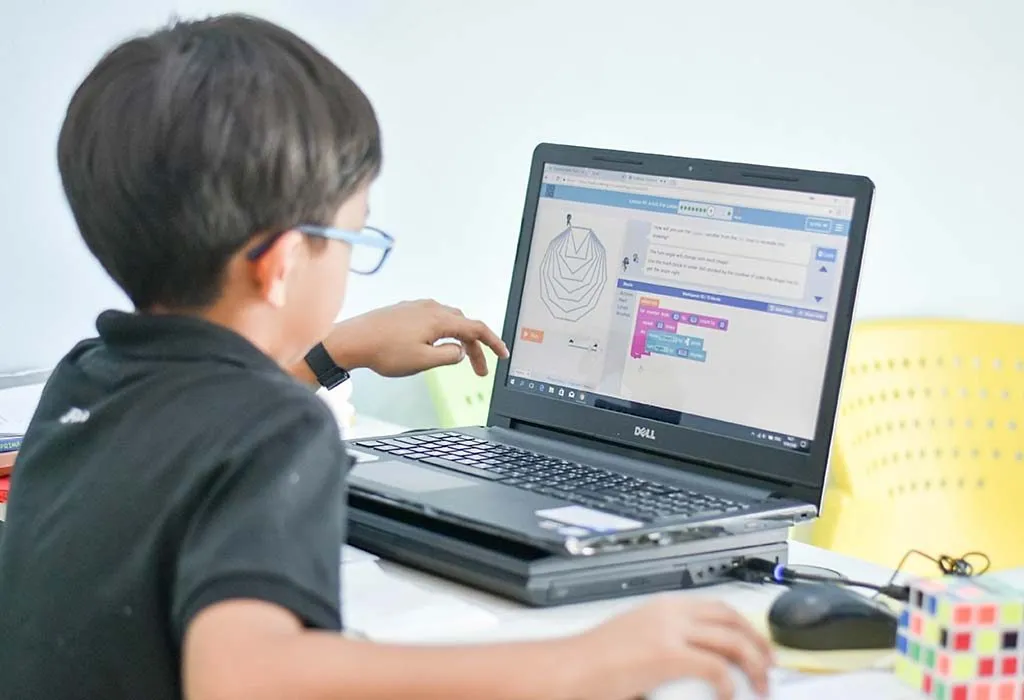
Attempts to teach children who can barely write their names “to develop AI robots and create augmented reality” reveal just how far some parents are willing to go in their ambitious plans.
In summer camps, children aged 5 to 16 are introduced to concepts like artificial intelligence, augmented reality coding, and robotics. Sometimes, middle school students even develop software for training vehicles to recognize objects and use manipulators for standard operations.
Indeed, in the future, computer technologies won’t be the sole domain of software engineers. Starting to learn digital technologies earlier than others could give a teenager an advantage later on. Some parents are so eager for their children to be among the best that they lose a sense of balance and try to enroll even very young kids in advanced courses. Sometimes, they bring four-year-olds to these programs. Unfortunately, no one tells them that their expectations are overly ambitious. As a result, a parent of a five-year-old boy, after a week of his child’s training, said: “My kid didn’t learn all that much. My cousin is an engineer at Google, and he sees that the boy is not ready to be an intern at Google yet.”
However, children will always be children, and no amount of effort can make them see play as work. A clear example is a six-year-old camp participant. When asked what he wants to be when he grows up, he proudly says he wants to be an engineer like his father. His mother comments: “Last week, he was talking about becoming a dentist.”
Every game eventually comes to an end, and after half an hour of classes, many children lose focus. They switch to drawing, crawling on the floor, and playing “house” under the tables. One particularly gifted child even tries to search for “shark …” in the image gallery. Unfortunately, his attempt did not yield any results.