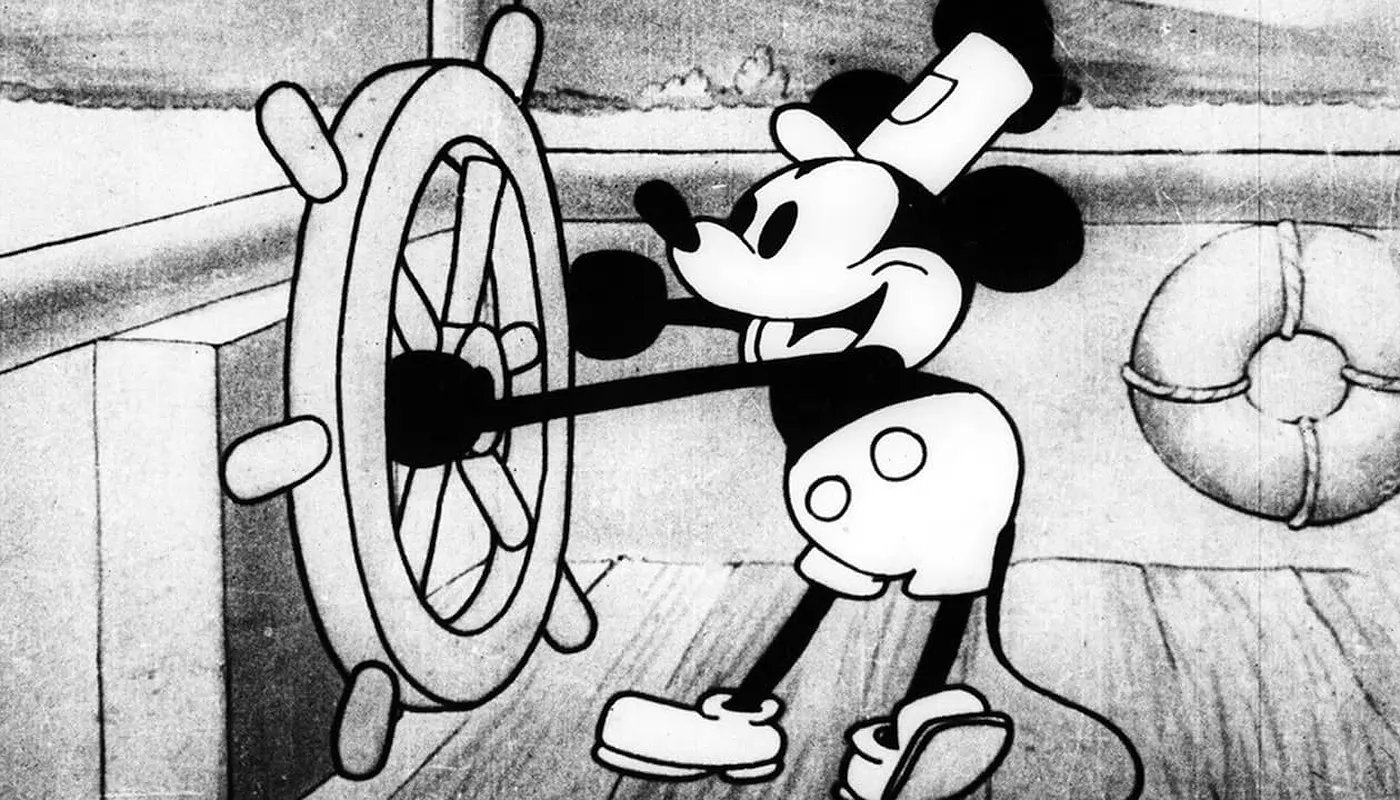
Mickey Mouse, will enter the public domain, as it will have been 95 years since his debut in the short film “Steamboat Willie” in 1928. This is the period during which American copyright laws protect a work. However, Disney, for which Mickey Mouse is not just a starting point in its history but also an official symbol, warns against overly liberal interpretations and promises to respond firmly to any infringement on its brand.
According to an official representative of Disney, the expiration of the copyright on “Steamboat Willie” will not affect more modern versions and images of Mickey Mouse, and he will continue to play a leading role as the “global representative of The Walt Disney Company” in films and animated projects, theme park attractions, and merchandise. “We will, of course, continue to protect our rights to all other versions of Mickey Mouse and other works of our company that are still under legal protection,” commented the studio’s spokesperson.
In other words, anyone wishing to start their own film company or theme park will not be able to freely use the classic mouse ears as a logo or corporate symbol, as Disney “will work to protect consumers from confusion caused by unauthorized exploitation of Mickey Mouse and other iconic characters.”
Mickey Mouse Could Become a Horror or Thriller Hero
There is already an example of such an interpretation of children’s storybook characters. In early 2023, the horror film “Winnie-the-Pooh: Blood and Honey” was released, created by a group of enthusiasts for a modest $100,000 by modern cinema standards, and it brought in multimillion-dollar profits. The reason was that the silly plush bear had also been removed from copyright protection and became public domain. Something similar could happen with Mickey Mouse, but this would only apply to the rather stern version of the character that audiences first saw in 1928, meaning that the creative freedom would be limited.
“Steamboat Willie,” created by Walt Disney and his partner Ub Iwerks, was one of the first cartoons in which sound was synchronized with the visual elements, but it was actually the third animated project featuring Mickey and Minnie. Mickey Mouse whistles the eponymous 1910 melody and plays improvised musical instruments using other animals. It’s worth noting that this song inspired not only Walt Disney but also the famous Hollywood comedian Buster Keaton, who made the film “Steamboat Bill, Jr.,” released just a few months before Disney’s animated classic.
U.S. Senators vs. Mickey Mouse
But things are not entirely smooth and predictable for Disney itself in the process of defending its rights to Mickey Mouse. Back in 2022, during a serious confrontation between the company and the Florida authorities, a bill was proposed that would limit copyright protection to just 56 years. If passed, Disney would lose the ability to control much later versions of the mouse, presented to audiences in the post-war years. Although the bill was not approved at that time, this does not mean it won’t resurface if tensions rise again.